
The Nature of Luck in Gambling
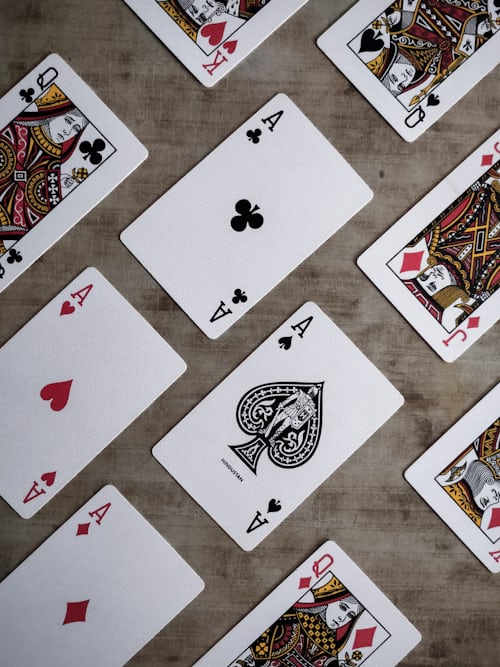
Luck is an inherent element in the world of gambling, manifesting as that unpredictable force that can sway fortunes within moments. In casino games, where wins and losses are often determined by random outcomes, luck becomes a pivotal player. For instance, in a game of roulette, players place their bets on certain numbers or colors, but the outcome is ultimately dictated by where the ball lands, an entirely random event influenced by chance. Additionally, many players enjoy exploring options like Winbeatz online casino iOS to enhance their gaming experience. This unpredictability is what makes gambling exhilarating yet uncertain.
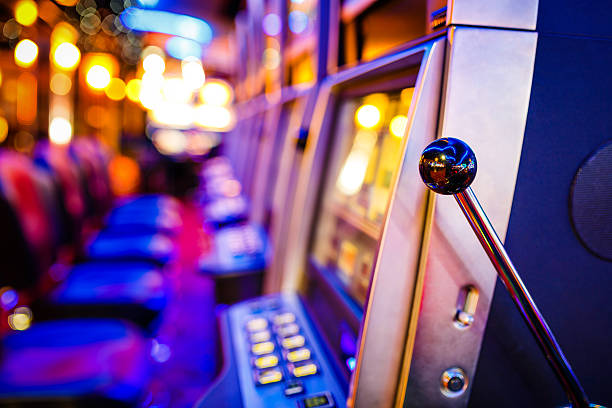
Players may strategize and employ various techniques to increase their odds, but no amount of skill can guarantee a win in games dictated by luck. The thrill of not knowing the outcome can drive people to casinos, as it creates an environment filled with possibilities where luck can turn a mere gamble into a life-altering jackpot. The essence of luck in gambling is what keeps players coming back, as they yearn for that moment when fortune favors them.
Furthermore, luck can manifest in different forms, from winning streaks—periods where a player consistently wins—to sheer chance, where an unexpected decision leads to an incredible outcome. This unpredictability is part of the allure that draws players in, as everyone hopes that they might experience their slice of good fortune during their casino journey. The stories of miraculous wins circulate among players, further enriching the culture of luck that surrounds gambling.
The Psychology of Luck and Players’ Beliefs
The role of luck is not only statistical but also psychological, deeply influencing how players approach gambling. Many believe in “lucky” numbers, colors, or even rituals that they feel enhance their chances. This psychological reinforcement can lead to a stronger belief in luck, where individuals think that a favorable outcome is just around the corner. For example, a player might insist on playing the same slot machine because it “feels lucky,” even though each spin is entirely independent of previous outcomes.
This belief in luck can also lead to cognitive biases such as the gambler’s fallacy, where players mistakenly believe that past outcomes will influence future results. A player who has experienced a series of losses might think they are “due” for a win, which can result in them betting larger amounts in the hopes of hitting a payout. This idea illustrates how our understanding of luck can significantly distort our perception of probability and lead to risky behaviors. The psychological stakes of gambling are often just as high as the financial ones.
Additionally, the social aspect of luck plays a crucial role in casinos. Players often share their experiences and stories of lucky wins, reinforcing the idea that luck can be a tangible force. These shared narratives contribute to a culture of hope and excitement, making everyone feel that fortune could smile upon them at any moment, thereby enhancing the overall casino experience. The communal belief in luck fosters a sense of camaraderie among players, as they bond over their hopes and fears related to fortune.
The Impact of Randomness on Casino Games
The mechanics of casino games are designed around the principle of randomness, making luck an unavoidable factor. Games like slots, blackjack, and poker come with random number generators or shuffling of cards, ensuring that every outcome is unpredictable. These systems are crucial for maintaining fairness and providing players with a genuinely random gaming experience. In essence, they are structured to ensure that luck, rather than skill alone, plays a pivotal role in determining the results.
The randomness inherent in these games serves to level the playing field, allowing novice and seasoned players alike to have equal chances of winning. For example, in a game of blackjack, even an experienced player can find themselves at the mercy of the cards dealt. This unpredictability can lead to exhilarating highs and agonizing lows, making every game unique and emphatically reliant on luck. It is this very randomness that gives rise to both excitement and anxiety among players.
Casino operators embrace the role of luck to enhance the overall gaming experience. The anticipation and excitement surrounding the random outcomes of each game contribute to a vibrant atmosphere that draws players in. The unpredictability not only influences immediate outcomes but also plays a significant role in the casino’s marketing strategies, creating promotions and loyalty programs that capitalize on players’ hopes for luck to strike and lead them to their next big win. This interplay of luck and marketing fuels the casino industry, creating a cycle of engagement and excitement.
Understanding House Edge and Luck
While luck plays a substantial role in determining individual outcomes, the house edge is a critical concept that players must understand. The house edge refers to the mathematical advantage that the casino has over players in games, allowing it to maintain profitability over time. This built-in advantage means that while players might enjoy streaks of luck, the odds are ultimately in favor of the casino in the long run. Players need to be aware of this reality to gamble responsibly and avoid unrealistic expectations.
For example, in games like roulette and slots, even if a player experiences good fortune, they are still engaged in a game where the odds are stacked against them. The randomness of the outcomes can create illusions of prolonged winning streaks, but statistically, the house edge will ultimately prevail. Therefore, understanding this concept of luck versus the house edge is crucial for responsible gambling. Players who grasp this balance can enjoy the thrill of gaming without succumbing to the dangers of excessive risk.
Moreover, players should be aware that relying solely on luck can lead to disappointment. While luck can result in sporadic wins, developing a solid understanding of the games and employing strategic betting methods can enhance a player’s overall experience. By acknowledging the balance between luck and odds, players can approach gambling with a more realistic mindset, enjoying the thrill while being aware of the inherent risks involved. This awareness can help players manage their expectations and foster a healthier relationship with gambling.
The Role of Luck on Casino Websites
In today’s digital age, online casinos also integrate the concept of luck into their platforms. Just like traditional casinos, online casino games heavily rely on randomness and luck, ensuring that players receive a fair and unpredictable gaming experience. Software developers utilize advanced algorithms and random number generators to simulate the essence of luck, enabling players to experience similar thrills from the comfort of their homes. This technological approach preserves the element of chance that is foundational to the gaming experience.
The shift towards online gaming raises unique questions about the psychology of luck. Players in a virtual environment might feel detached from the immediate feedback and social reinforcement found in a physical casino. However, many online casinos have incorporated chat functions and live dealer options to create a more interactive experience, reinstating the social aspect of luck in a digital realm. This adaptation helps maintain the excitement and community feel that is often associated with physical casinos.
Furthermore, online platforms often promote luck through various marketing strategies, including bonuses, promotions, and tournaments that emphasize the possibility of winning big. This helps to attract new players who are eager to test their fate and see if luck will favor them. As the online casino industry continues to grow, acknowledging the role of luck remains essential for engaging players and enhancing their overall gaming experience. By weaving luck into the fabric of online gaming, operators can create a stimulating atmosphere that encourages participation and excitement.